
How to Sell a House With Fire Damage in Texas
Sell a house with fire damage in Texas: repair and list, sell as-is for cash, or sell the land only. Cash offer in 48 hours, close on your timeline, no repairs.
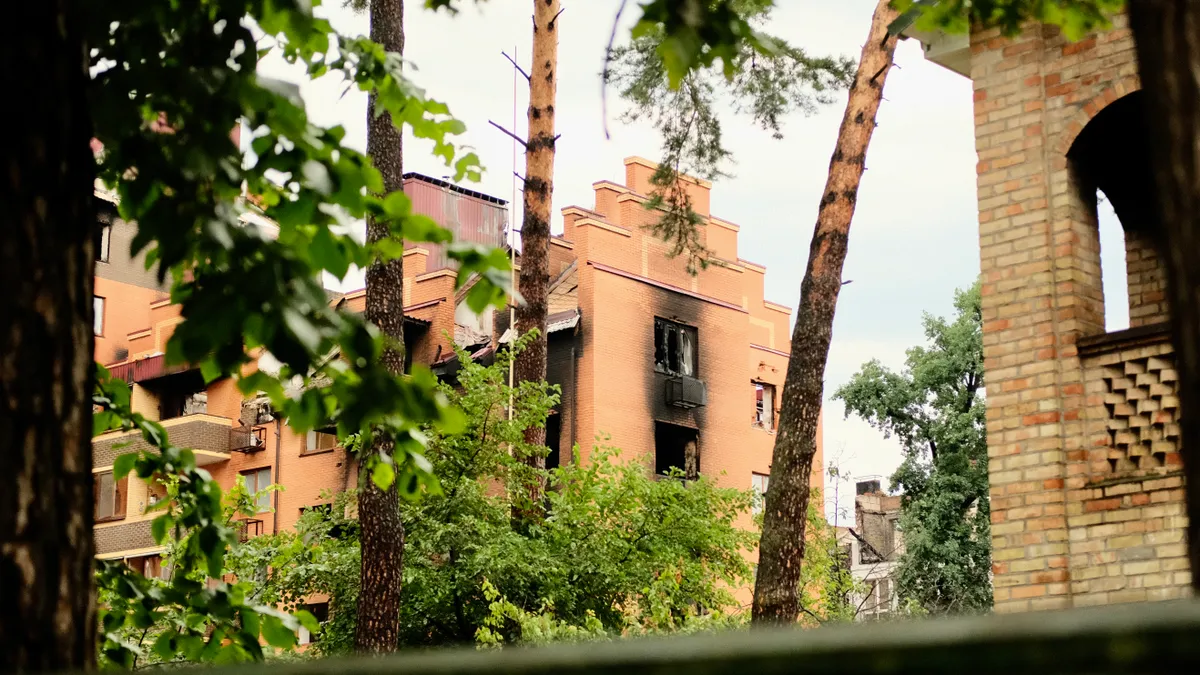
Yes. You can sell a house with fire damage in Texas, and you have three routes: repair the home and list it, sell it as-is to a cash buyer or investor, or sell the land alone if the structure is a total loss. The as-is cash route is the fastest — a written offer in 48 hours, a closing date you choose, and no repairs, no cleaning, and no agent commission. The trade is price for certainty. For a home that is uninhabitable, under-insured, or tangled in an open claim, that trade usually favors the direct sale.
This is the Texas owner's guide to selling a fire-damaged house. How the three routes compare, what fire damage actually does to value, how the insurance claim and the Seller's Disclosure Notice work, the municipal lien most articles never mention, and when you should repair and list instead of taking a cash offer.
The three ways to sell a fire-damaged house
Every fire-damaged sale comes down to one of three routes. The right one depends on the severity of the damage, your insurance position, and how much time and capital you can put into the home before it sells.
| Route | What you do | Time to sell | Likely net | Best for |
|---|---|---|---|---|
| Repair, then list | Restore the home to retail condition, then sell on the open market | 3–9 months | Highest, after repair and carrying costs | Cosmetic smoke or soot damage, strong insurance payout, time to manage a rebuild |
| Sell as-is for cash | Sell to a cash buyer or investor in current condition, no repairs | 7–14 days | Discounted to condition, but no repair or carry outlay | Heavy or structural damage, no rebuild capital, a timeline that matters |
| Sell the land only | Price the lot at land value minus demolition, structure treated as a teardown | 14–60 days | Lot value minus demolition and clearing | Total loss, where the rebuild costs more than the finished home is worth |
Repairing and listing produces the highest headline number when the damage is light and the insurance check covers the work. But it puts the rebuild risk, the permitting, and three to nine months of carrying costs on you. Selling as-is moves the home in days and removes the rebuild entirely, in exchange for a price that reflects the work the buyer will take on. Selling the land alone is the honest answer when the structure is gone — a buyer pays for the lot, not the shell.
How much fire damage takes off the price
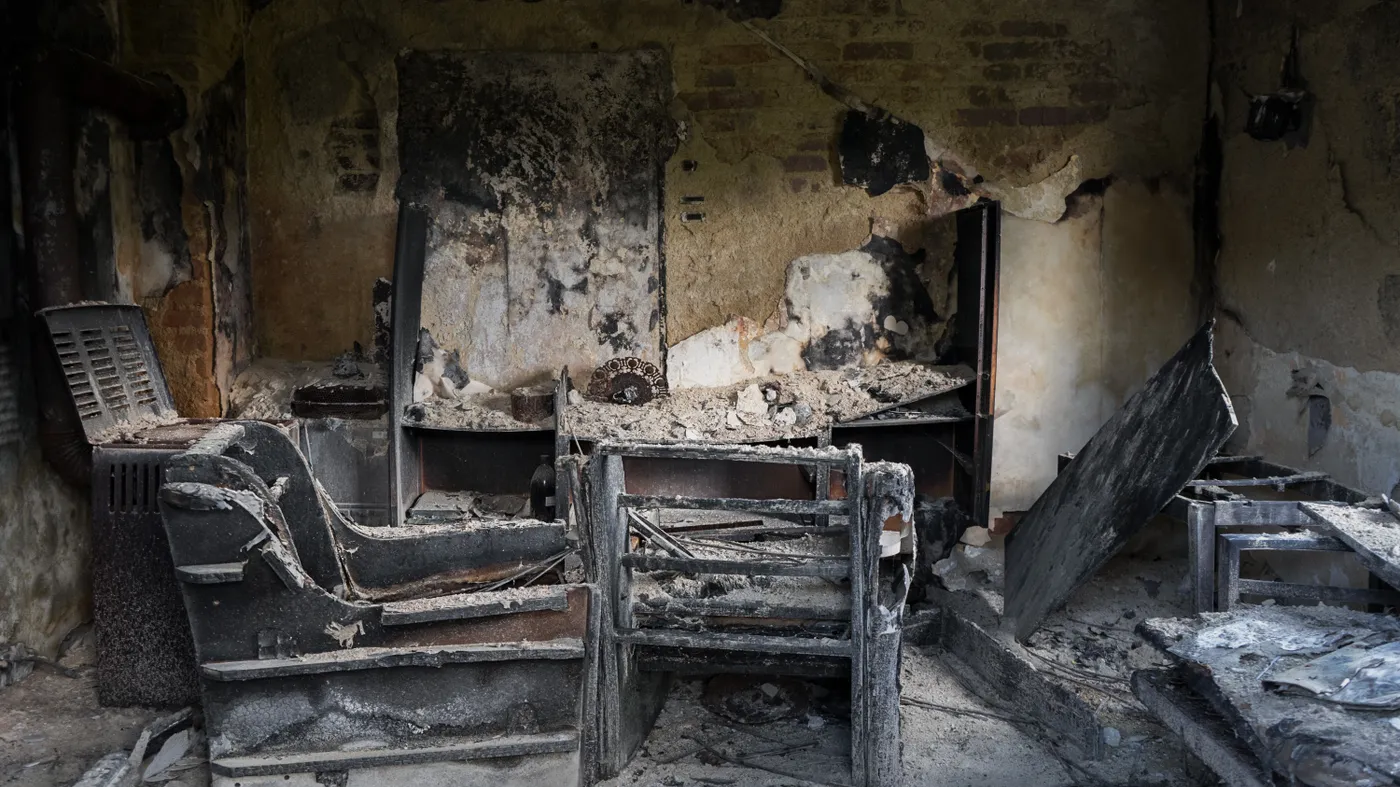
There is no single discount for fire damage, and any article that quotes one number is guessing. The number depends on which of three damage tiers the home sits in. The tier determines the repair scope, the buyer pool, and the offer.
Tier one: cosmetic smoke and soot
A contained kitchen or appliance fire often leaves the structure sound but coats the home in smoke, soot, and odor. The repair is cleaning, sealing, repainting, and replacing soft surfaces. Restoration here commonly runs from a few thousand dollars to the low tens of thousands, and a home in this tier can sometimes be repaired and listed at close to its pre-fire value. This is the one tier where repairing first usually wins, provided insurance funds the work.
Tier two: structural and systems damage
Once the fire reaches framing, the roof, the electrical, or the HVAC, the cost climbs into a full rebuild of the affected areas, and conventional buyers fall away because most mortgage lenders will not finance a home with active structural or safety defects. That collapses the retail buyer pool to cash buyers and renovation-loan borrowers. As-is sales in this tier typically land well below pre-fire value, because the buyer is pricing in a real rebuild, permits, and the months the home sits unproductive.
Tier three: total loss
When the rebuild costs more than the finished home would be worth, the structure is a teardown and the value is the land. A buyer pays lot value minus the cost to demolish and clear the debris. In tighter Texas submarkets the dirt alone can still be worth real money; in others, the demolition cost eats most of the lot premium. Either way, the honest price is a land price, and a buyer who pretends otherwise is setting up a retrade at closing.
The cleanest way to read your own situation is to get a written cash number on the home as-is, then compare it to a contractor's repair estimate plus a listing agent's after-repair comparative market analysis. Two numbers, side by side, end the guessing. For the broader framework on comparing routes, our Texas direct-sale playbook walks the net-to-seller math in full.
The insurance claim, and who keeps the check
The fire-insurance claim is the part of a fire-damaged sale that trips up the most sellers, because the claim and the sale interact. Document everything before you clean up: photos and video of every room, the fire marshal or investigator report, an itemized list of damaged contents, and the restoration estimates. The Texas Department of Insurance publishes the claim timelines and the deadlines your insurer must meet, and it is worth reading before you talk to an adjuster.
Two questions decide how the claim affects your sale. First, is the claim open or settled? An open claim can be assigned or its proceeds directed at closing, but that has to be handled through the title company and disclosed in the contract — it is not a side handshake. Second, does your mortgage lender hold the insurance proceeds? Lenders routinely place fire-claim checks into escrow and release them against completed repairs, which means you may not be free to simply pocket the payout and sell the shell. Sort the lender's position before you agree to any sale terms.
When we buy a fire-damaged home with an open claim, we put the treatment of the claim in writing inside the offer — whether you keep the proceeds and we adjust the price, or the claim comes with the property. There is no version where it is left vague.
Texas disclosure: what you must tell the buyer
Texas does not let you sell past fire damage in silence. The Texas Property Code requires most sellers of residential property to deliver a written Seller's Disclosure Notice under Section 5.008, and that notice asks directly about previous fires and known defects. You disclose the fire even if the home was fully repaired and even if you are selling as-is. The as-is clause limits the buyer's ability to demand repairs; it does not erase your duty to disclose what you know.
Failing to disclose a known fire is not a paperwork slip. It exposes you to claims of fraud and misrepresentation, contract rescission, and damages — long after closing. The documentation you kept for the insurance claim does double duty here: it proves what happened, what was repaired, and that you dealt straight. A repaired fire with a clean paper trail of permits and invoices is far less alarming to a buyer than a fire someone tried to paint over.
The municipal lien most articles miss
Here is the piece the national listicles never cover. After a serious fire, a Texas city can issue an unsafe-structure or substandard-building order, and if the owner does not secure, repair, or demolish the property, the municipality can do it and assess the cost as a lien against the property under its building and nuisance authority. Code-enforcement fines and board-up costs can attach the same way. Those liens travel with the title and surface in the title commitment, and they have to be cleared or accounted for before anyone closes. A seller who does not know the lien exists can lose a retail sale at the last minute. A direct cash buyer who closes through a Texas title company will see the lien in the commitment and can structure the deal to clear it — that is one of the quiet advantages of the as-is cash route on a fire-damaged home.

What an as-is cash sale looks like
If repairing and listing does not fit your situation, the direct cash route is short and the condition of the home does not slow it down. The process we run has five steps:
- 1. Submit the property. Address, what happened, and where the insurance claim stands. Two minutes, no obligation, no credit check.
- 2. We pull comps and assess the damage. Recent sales in the immediate submarket, the after-repair value, and the realistic rebuild scope for the fire damage.
- 3. A short property walk. A look at the burn area, the structure, and the major systems. In person, or by video if the home is unsafe to enter.
- 4. A written offer in 48 hours. Purchase price, the treatment of any open insurance claim, who pays which closing costs, and the proposed timeline. The number is the number.
- 5. Close at a Texas title company. The title company clears liens, payoffs, and deed prep, and funds are wired at signing. You choose the closing date.
You do not clean, repair, or stage anything. There is no inspection contingency to renegotiate and no lender clear-to-close to wait on. We buy fire-damaged homes as-is across Dallas–Fort Worth, Houston, Austin, and San Antonio, and the offer carries zero commissions and zero fees — the number on the contract is what reaches your account.
When NOT to sell your fire-damaged house for cash
A cash offer is not always the right answer, and we will tell you when it is not. There are three situations where you should repair and list instead.
The damage is cosmetic and insurance funds the repair. If the fire was contained, the structure is sound, and your payout covers the cleaning and cosmetic work, do the repairs and list. A restored home in a healthy submarket recovers most of its pre-fire value, and that premium usually beats the as-is discount even after the carrying costs.
You have the capital and the time to manage a full rebuild. Owners who can front the rebuild, run the permitting, and carry the home for several months can capture the gap between as-is value and after-repair value themselves. That gap is the investor's margin — if you want it and can carry the risk, take it.
You owe more than the home is worth. A cash sale at fair market value cannot solve a negative-equity problem, and a fire often deepens one. Start with your lender's loss-mitigation department, and bring in HUD-approved housing counsel before any buyer is in the conversation. We will say so directly if your numbers point this way.
The Texas legal piece most articles miss
A real estate investor is not a licensed broker. When we buy your home, we act as a principal — a buyer purchasing for our own account — not as an agent representing you. In some transactions, we may assign our equitable interest in the purchase contract to a vetted investor partner who closes in our place. When we do, Texas Property Code §§ 5.0205 and 5.086 require us to disclose the assignment in writing before it is made. Your purchase price and timeline do not change.
Those rules were tightened in 2023 because out-of-state cash buyers were assigning Texas contracts without disclosure, and sellers sometimes learned at the closing table that the company on the contract was not the one funding the deal. The Texas Real Estate Commission regulates licensed brokers, not investors — so knowing which one sits across the table is the most important question a fire-damaged-home seller can ask before signing. Nothing on this page is legal, tax, or financial advice; consult independent counsel before you sign any contract.
The bottom line
You can sell a fire-damaged house in Texas, and the right route follows the damage. Cosmetic smoke damage with a funded insurance claim rewards repairing and listing. Structural damage, a thin payout, a municipal lien, or a timeline you cannot stretch points to an as-is cash sale — a written offer in 48 hours, a closing date you choose, no repairs, and no fees. A total loss is a land sale, priced honestly as one.
Whichever route fits, document the fire, settle the insurance and lender position, and disclose what you know. If you want to see what a written cash offer on your fire-damaged home looks like, you can request one in two minutes — the number is the number, the terms are in plain language, and if the right answer is to repair and list instead, we will tell you. For a deeper read on cash offers specifically, see our guide to how a Texas cash offer is calculated, or learn more about the firm from Will Slagle, Founder.
Frequently asked questions
Yes. You can sell a house with fire damage through one of three routes: repair the home and list it on the open market, sell it as-is to a cash buyer or investor, or sell the land alone if the structure is a total loss. The as-is cash route is the fastest because it skips repairs, inspections, and lender financing — a written offer can arrive in 48 hours, and you choose the closing date.
Yes. Texas Property Code Section 5.008 requires most residential sellers to deliver a written Seller’s Disclosure Notice, which asks directly about previous fires and known defects. You must disclose the fire even if it was fully repaired and even if you are selling as-is. Selling as-is limits the buyer’s ability to demand repairs; it does not remove your duty to disclose what you know. Non-disclosure can expose you to fraud and misrepresentation claims after closing.
Yes. A cash buyer or real estate investor purchases the home in its current condition, so you do not clean, repair, or stage anything. The trade-off is price: the offer reflects the rebuild work, permits, and holding time the buyer takes on. For heavy or structural fire damage with no rebuild capital, selling as-is is usually the higher-net path once carrying costs are counted.
It depends on the damage tier. Cosmetic smoke and soot damage may take off relatively little once repaired. Structural and systems damage pushes the home below most mortgage lenders’ financing thresholds and discounts it more steeply. A total loss is valued as land minus demolition. There is no single percentage — get a written as-is cash number and compare it to a repair estimate plus an after-repair market analysis.
Sometimes, but it has to be structured correctly. If the claim is open, the proceeds or the claim itself can be assigned at closing through the title company and disclosed in the contract. If your mortgage lender holds the insurance check in escrow and releases it against completed repairs, you may not be free to keep the payout and sell the shell. Settle the lender’s position before agreeing to any sale terms.
Mostly cash buyers, real estate investors, and renovation-loan borrowers. Conventional mortgage lenders generally will not finance a home with active structural or safety defects, which removes most retail buyers from the pool once damage moves past cosmetic. That is why as-is fire-damaged homes typically sell to buyers who can pay cash or carry a rehab loan.
No. Selling a fire-damaged house does not affect your ability to qualify for a mortgage on your next purchase — that depends on your income, credit, and debt, not the condition of the home you sold. The financing limitation applies to the damaged property itself, where lenders hesitate to fund a home with unrepaired structural or safety issues.
An as-is cash sale closes on your schedule — typically 7 to 14 days at a Texas title company on a clean title. The bottleneck is title work — clearing liens, payoffs, and deed prep — not financing. Repairing and listing takes far longer: three to nine months to rebuild, market, and close. A municipal fire or code lien on the title can extend either route until it is cleared.
Ready to see your number?
A written offer in 48 hours. No obligation. Texas, statewide.
Request a Cash Offer